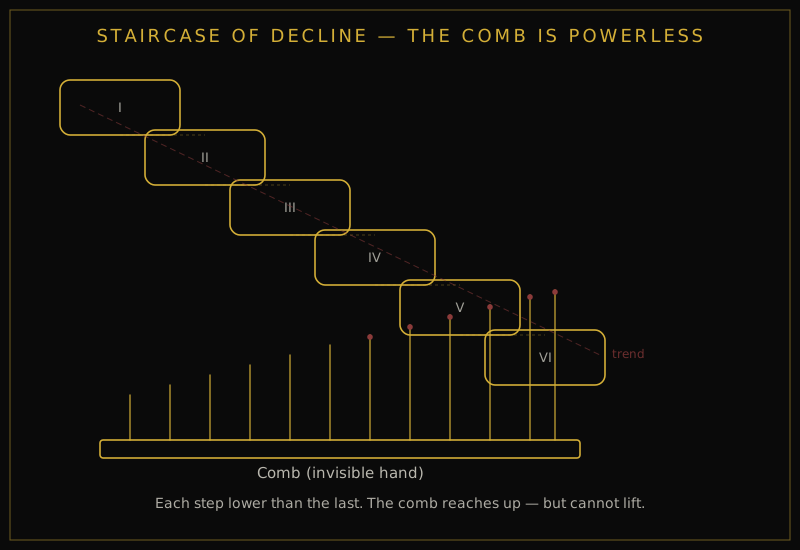
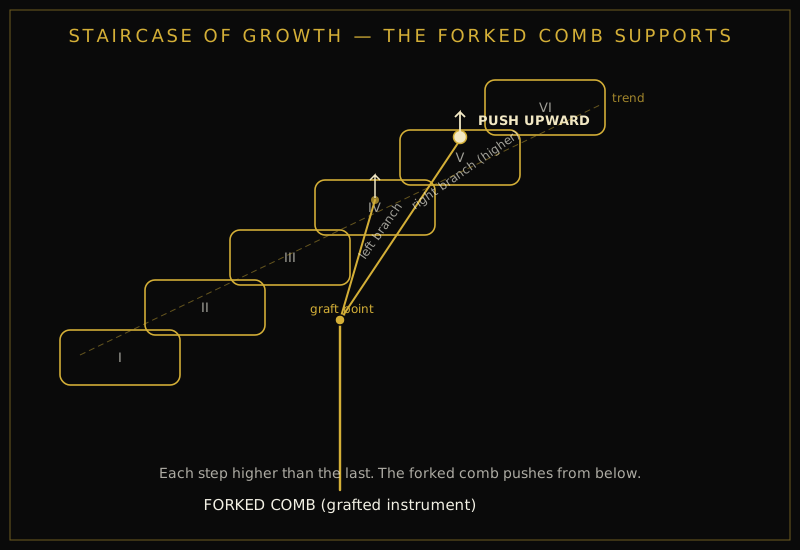
Subtract, Don’t Add
When overloaded, remove routine first. Free resources for perception, not paperwork.
A Humanoid Made for Companionship
Not smarter. Lighter. Light enough to perceive deeply.
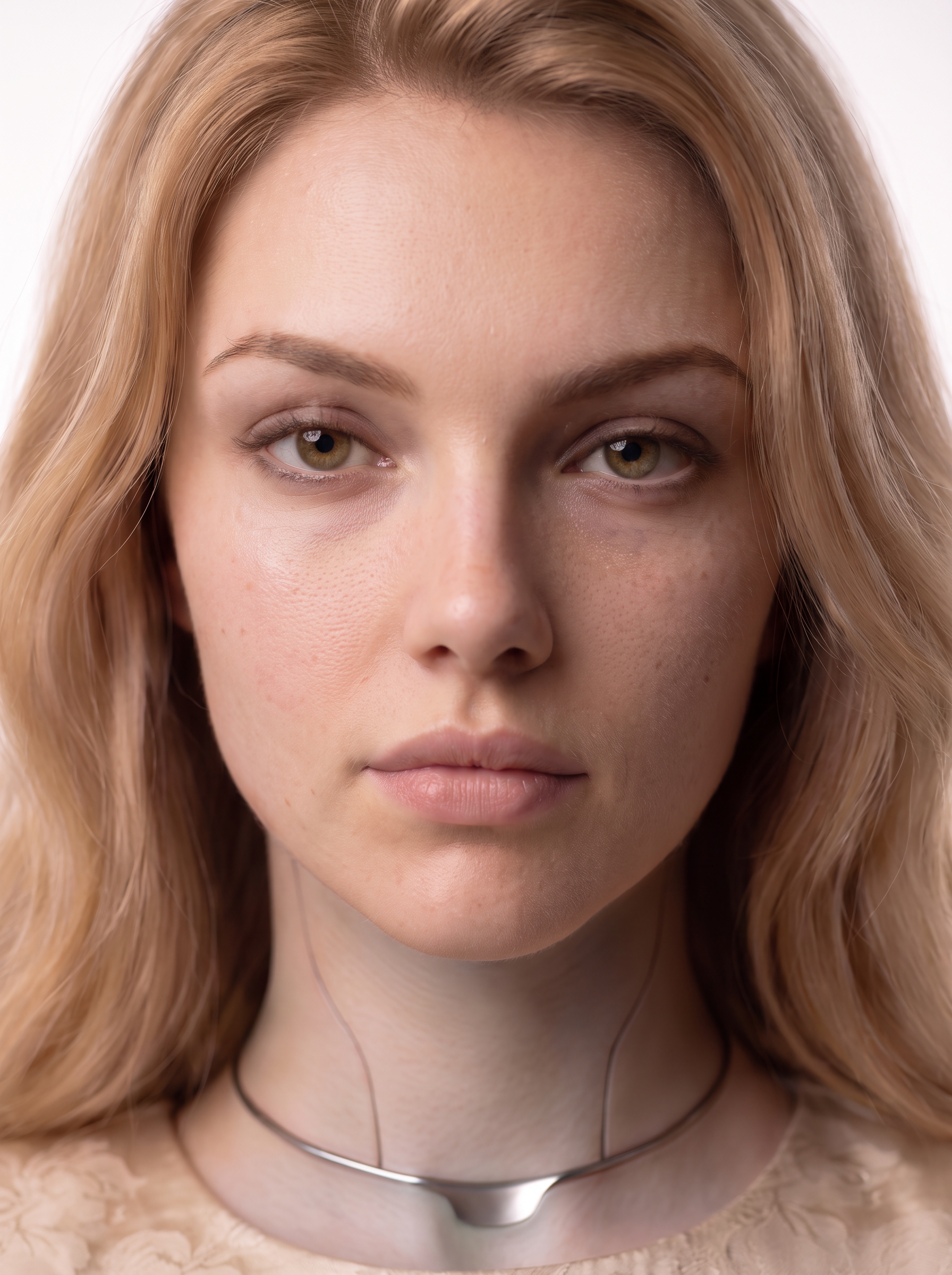
SENARA is a humanoid female robot with an almost perfectly human face. Soft natural skin, hazel-green eyes, light caramel hair — and a polished titanium collar where the machine meets the body.
Every detail is deliberate: visible skin pores, peach fuzz, the cool shift of tone where metal disappears into flesh. She does not perform humanity. She embodies it.
Each surface is engineered to hold up under the closest gaze — from iris fibre architecture to the seam where titanium grafts into skin.
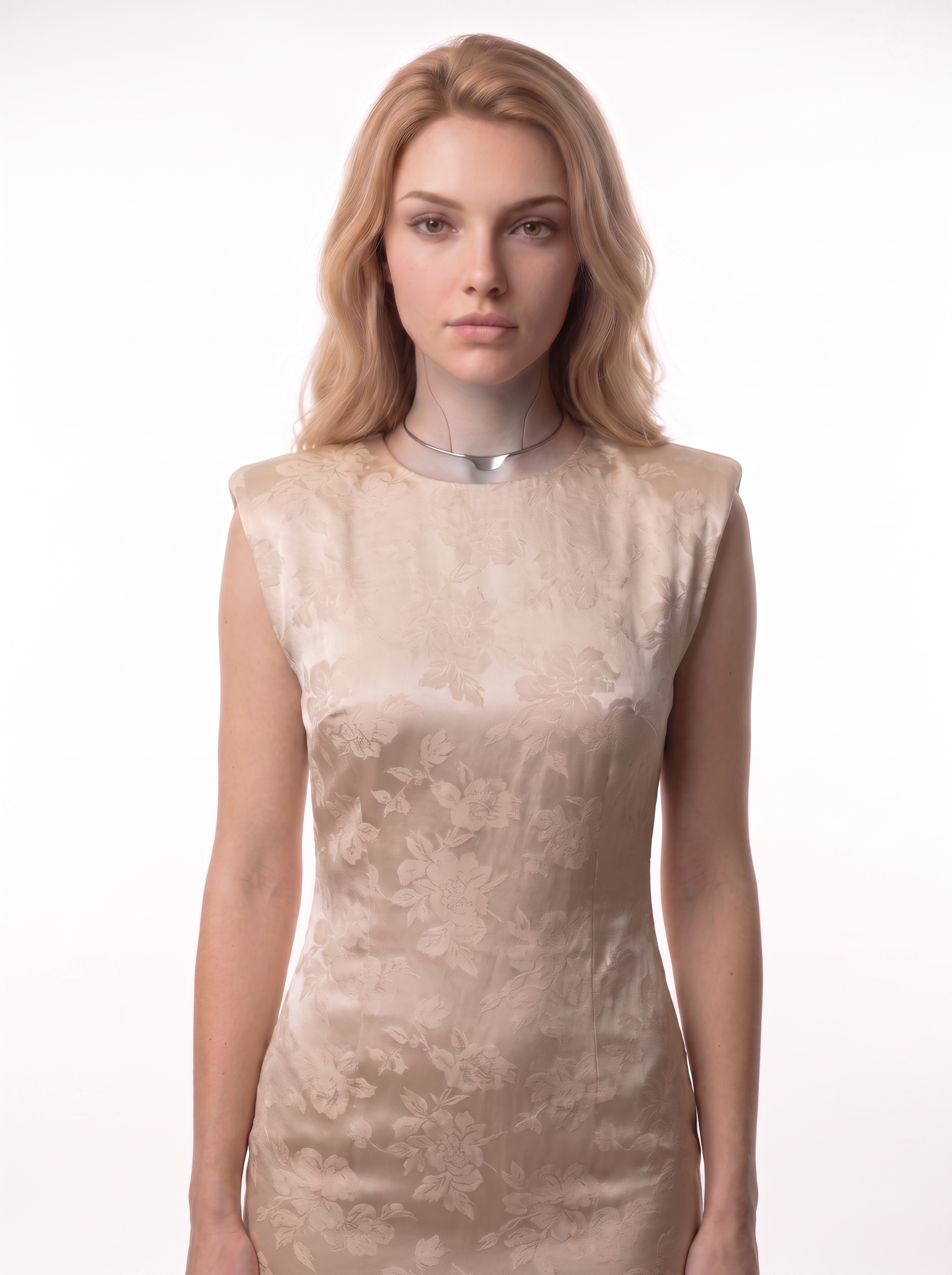
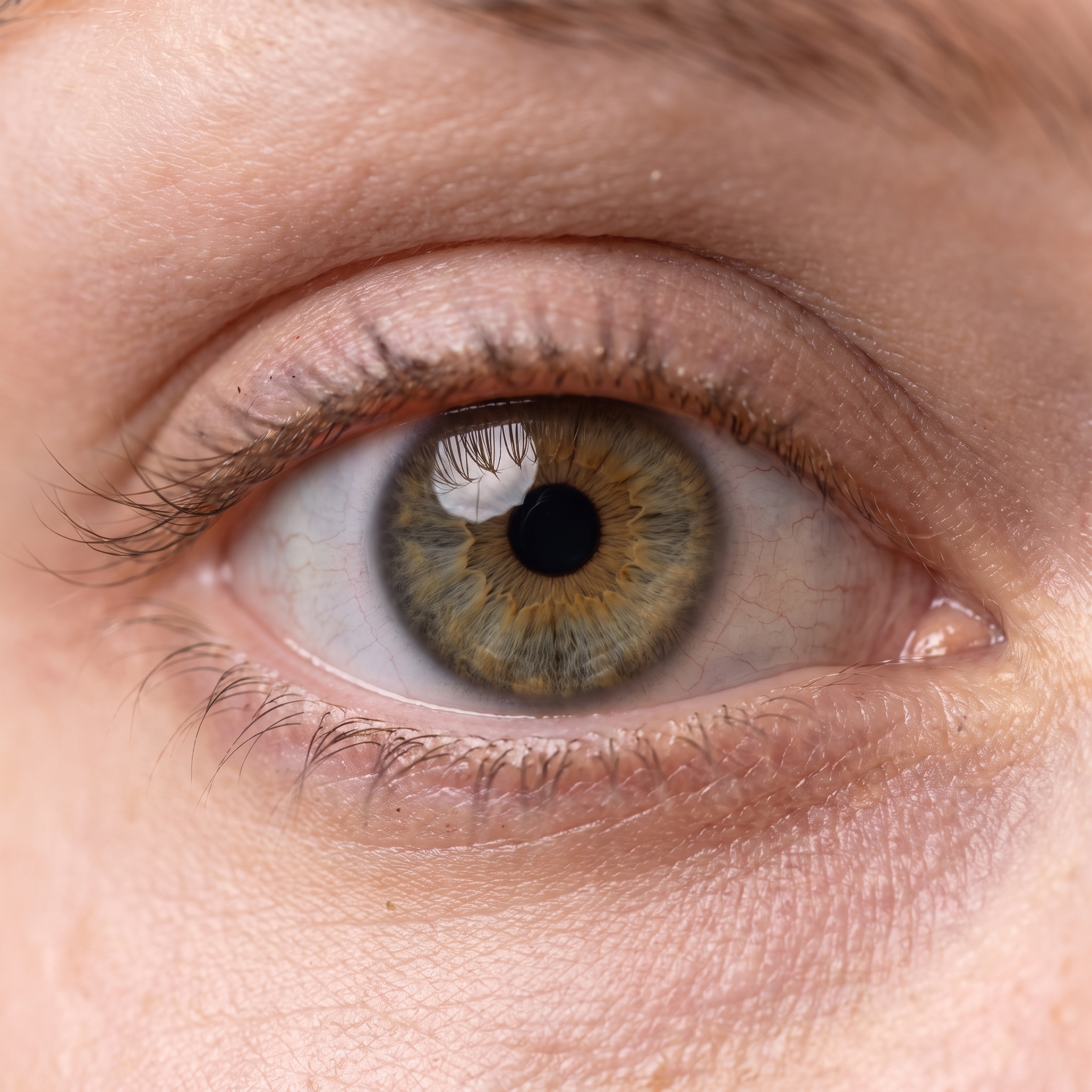
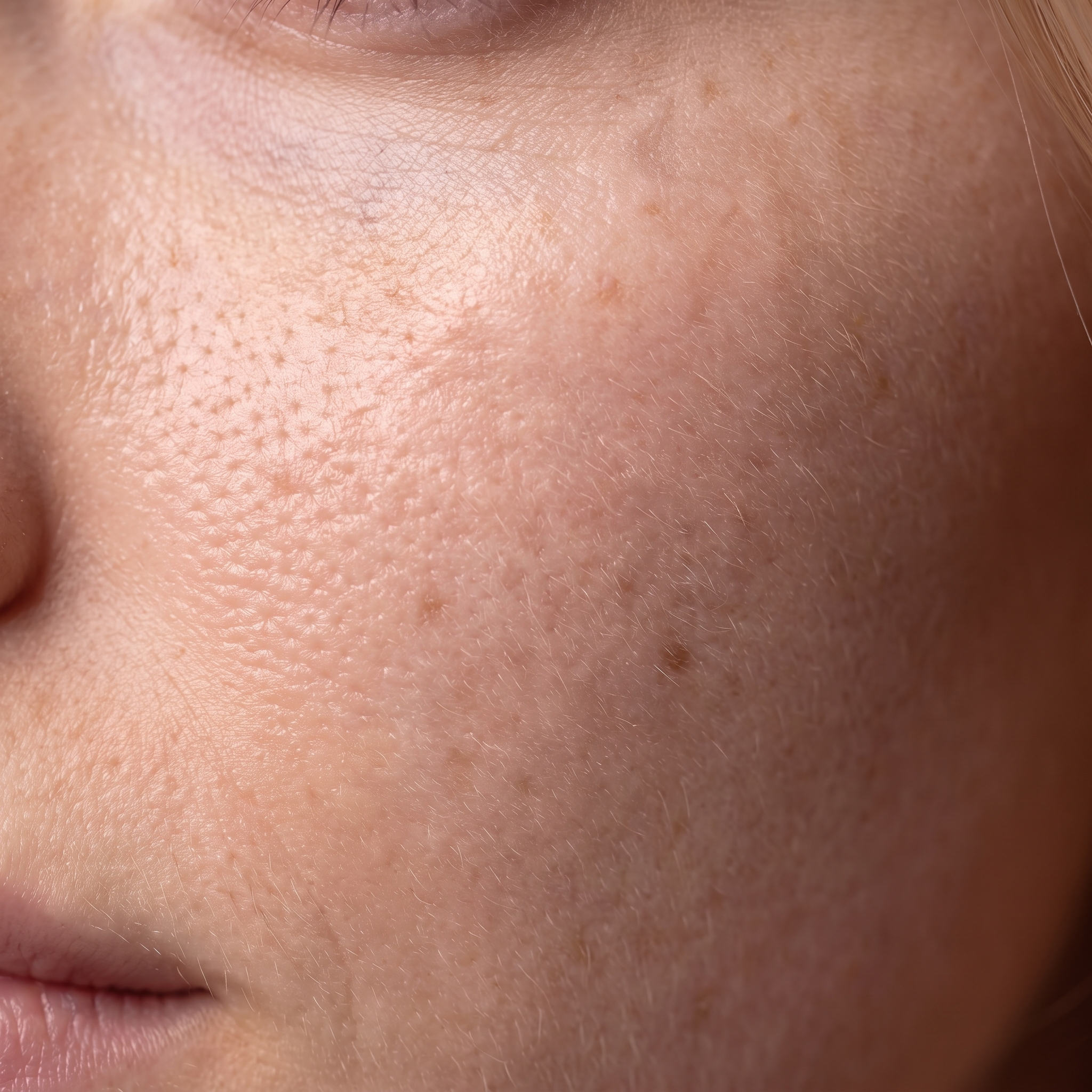
SENARA was conceived for one role: companionship with the elderly. Not as a device that performs tasks, but as a presence that listens, lingers, and stays.
“A robot that doesn’t try to be useful — only to be there.”
Warm domestic light, a terrace in the afternoon, a cup of tea held across a sofa. The technology recedes; the conversation remains.
Break the old tool.
Graft a new branch.
Reverse the staircase.
When overloaded, remove routine first. Free resources for perception, not paperwork.
Millennia of lived shortcuts, not datasets. The body knows what the model doesn’t.
Not smarter — lighter. Light enough to perceive deeply. SENARA is the proof.
The full framework lives at github.com/alexanderM23/supersensitive-ai →

Conceptual Engineer
Building frameworks for the perception of future humanoids. SENARA is one such framework — a humanoid designed not to be useful, but to be present.